

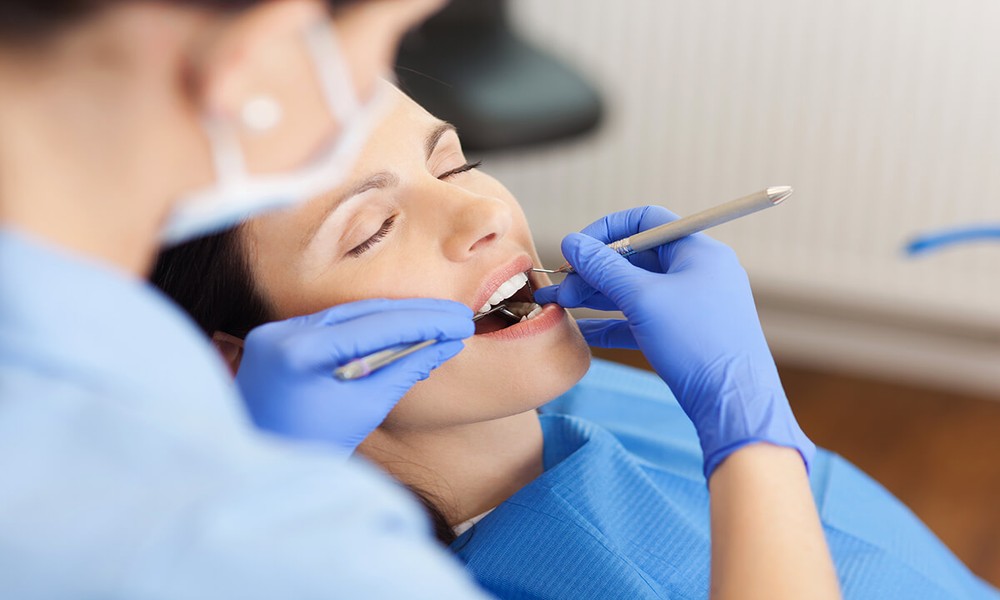
A lot of people in the Mini-Cassia area have not been to a dentist in years, and the reason is almost never neglect. It is fear. Sometimes it is a memory of a rough appointment as a kid, sometimes a strong gag reflex, sometimes just a deep dislike of the sounds and smells of a dental office. Sedation dentistry exists for those patients. At Seasons Dental in Burley, Drs. Chad and Ty Bodily are both trained to offer it, and they use it more often than most people realize.
Knowing how it works ahead of time makes the difference between calling to schedule and putting the appointment off another year.
What Sedation Dentistry Actually Means
Sedation dentistry is a set of techniques that calm a patient during dental work. The level ranges from light relaxation, where you stay fully awake and aware, to a deeper state where you remember almost nothing of the appointment afterward. The dentist still numbs the area being worked on with local anesthetic. The sedation handles the anxiety and the awareness, not the pain itself.
That distinction matters. People sometimes think sedation replaces numbing. It does not. The two work together so that the body feels nothing and the mind stays comfortable.
The Three Levels Used Most Often
There are three forms of sedation that come up regularly in a general dental practice. Each one fits a different patient and a different appointment.
Nitrous Oxide
Often called laughing gas. The patient breathes it through a small nose mask during the appointment. It takes effect within a couple of minutes and wears off almost as fast once the mask comes off. Most patients drive themselves home afterward. Nitrous works well for mild anxiety, routine cleanings that feel overwhelming, and kids who need a little help sitting still for a filling.
Oral Sedation
A pill, usually from the benzodiazepine family, taken about an hour before the appointment. The effect is deeper than nitrous. Patients stay awake and able to respond to the dentist but feel pleasantly disconnected from the procedure. Many remember very little of what happened, which is part of the appeal. Oral sedation requires a ride home and a quiet rest of the day afterward.
IV Sedation
Medication delivered through a small line in the arm. The dentist can adjust the level minute by minute, which gives the deepest and most controlled effect of the three. IV sedation is the right tool for long procedures, multiple extractions in one visit, full-mouth restorations, or patients whose anxiety has kept them out of a dental chair for a decade. Recovery takes the rest of the day, and a driver is required.
Who Tends to Benefit Most
Sedation is not only for the squeamish. A few patient profiles come up in the chair often:
- Adults who avoided the dentist for years and now have a list of work to catch up on
- Patients with a strong gag reflex that turns even an x-ray into a struggle
- People with neck or back problems that make sitting still for an hour difficult
- Anyone facing a long appointment, such as multiple implants placed in one visit
- Children who need a filling but cannot stay calm long enough to get through it safely
- Patients with sensory sensitivities for whom the sounds and lights of a dental office are overwhelming
For these patients, sedation often turns a series of short, anxious appointments into one productive visit. Catching up on years of postponed work in a single sitting changes the whole relationship a person has with their teeth.
Safety, in Plain Terms
Modern dental sedation is one of the most studied parts of the field. The medications used have decades of track record behind them, and dentists who deliver IV or oral sedation in Idaho carry separate state permits on top of their regular license. Both Dr. Chad and Dr. Ty have completed the post-graduate training required for those permits.
During any sedated appointment at Seasons Dental, the team monitors blood pressure, oxygen levels, and heart rate from start to finish. The doctor reviews medical history, current medications, and any past reactions to sedatives before deciding which option fits. Patients on blood thinners, with certain heart conditions, or in late-stage pregnancy may need a different plan, and that conversation happens before the appointment, not on the day of.
What the Appointment Day Looks Like
Most sedation visits follow a similar pattern. The patient is asked not to eat for six to eight hours beforehand if oral or IV sedation is planned. Loose, comfortable clothing helps. A ride home is arranged in advance.
At the office, the doctor goes over the plan one more time, takes a baseline of vitals, and starts the sedation method chosen. Local anesthetic is given once the patient is relaxed. The dental work happens at the same pace it always would, though it tends to feel much shorter to the patient.
After the appointment, a recovery period of fifteen to forty-five minutes follows, depending on the method. The patient leaves with written instructions, and someone from the office calls the next morning to check in.
A Calmer Path to the Care You Have Been Putting Off
Sedation dentistry is the tool that gets patients back into a chair who thought they never could be. The team at Seasons Dental in Burley uses it daily and tailors the method to the patient rather than the other way around. If fear, a gag reflex, or a long list of overdue work has kept you out of the dentist’s office, a short conversation with Dr. Chad or Dr. Ty is the place to start. The appointment you have been dreading is usually easier than you think.