

Key Takeaways
- Choosing a neurosurgeon involves more than medical credentials, as communication style and approach affect how families understand and cope with brain-related conditions.
- Clear, inclusive discussions help prevent confusion after appointments and support better decision-making at home.
- Family involvement reduces emotional isolation by turning complex information into shared understanding rather than private burden.
- When caregivers feel acknowledged, care decisions integrate more smoothly into daily routines during an already demanding period.
In Singapore, selecting a neurosurgeon typically occurs after a referral, rather than a protracted period of comparison. Scans are already scheduled, symptoms have disrupted work or daily function, and family members begin asking questions at different speeds. The decision takes shape under time pressure, where reassurance, clarity, and coordination are just as critical as technical expertise. What complicates the choice is not a lack of options, but understanding which considerations will shape the experience once hospital care becomes part of everyday life.
1. How Clearly Information Is Explained
One of the earliest considerations emerges during consultations, where the way information is explained can either alleviate anxiety or intensify it as families try to make sense of what lies ahead. Medical detail matters, yet clarity depends on how risks, next steps, and uncertainty are translated into everyday language that can be remembered after the appointment ends. When explanations feel rushed or overly technical, questions multiply between visits, and stress grows as families attempt to fill gaps with assumptions or online searches. Clear communication does not promise outcomes, but it reduces guesswork during an already disorienting period, allowing decisions to feel anchored in understanding rather than confusion.
2. Continuity Across Appointments
Continuity becomes noticeable once visits begin stacking up and symptoms, test results, and concerns need to be revisited across multiple appointments. Seeing the same neurosurgeon in Singapore consistently reduces the need to repeat history and reframe decisions each time, which matters when symptoms fluctuate or new questions emerge between scans or follow-ups. As familiarity develops, conversations can build on earlier discussions rather than restart from explanation, allowing care to feel coordinated and progressive instead of fragmented and reactive.
3. Coordination Within The Hospital
Neurosurgical care rarely ends with a single consultation, which makes coordination within the hospital part of everyday life rather than a background detail. As scans, follow-ups, and additional opinions begin overlapping with work hours and family routines, the way appointments are scheduled, and information is shared, start changing daily logistics. When systems communicate smoothly, these demands stay contained and allow attention to remain on recovery or decisions that need to be made. When coordination breaks down, families find themselves spending time chasing updates, rearranging schedules, and managing gaps that should not exist. In that context, coordination becomes a practical measure of how manageable neurosurgical care will feel alongside regular responsibilities.
4. Willingness To Discuss Uncertainty
Another consideration lies in how uncertainty is handled rather than avoided, as families often need space to absorb what is known, what remains unclear, and what may change over time. Honest acknowledgement of these limits builds trust gradually, especially when decisions involve risk, waiting, or multiple possible paths. When uncertainty gets minimised or rushed past, families can feel pressured to move faster than they are ready for, turning consultations into sources of anxiety rather than clarity. A neurosurgeon who allows room for questions and pause helps families adjust expectations without feeling dismissed, while still keeping discussions grounded in the realities of care.
5. Involvement Of Family In Conversations
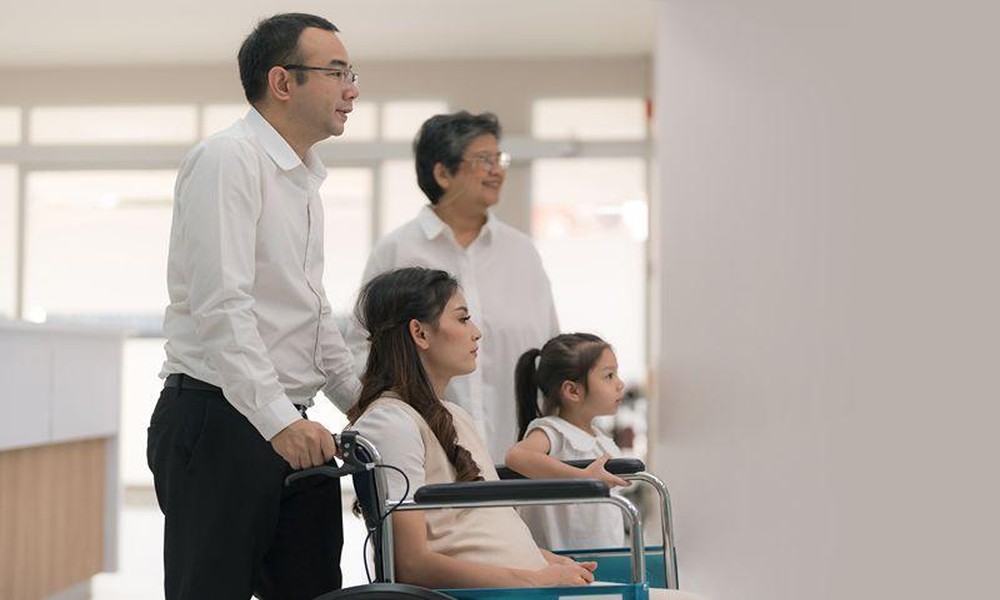
Brain-related conditions rarely affect one person alone, which makes family involvement a practical consideration rather than an optional courtesy once symptoms of a brain tumour begin affecting daily life. How openly a neurosurgeon engages caregivers shapes how information travels beyond the consultation room and into ordinary conversations at home. When explanations are inclusive and questions from family members are acknowledged, understanding stays aligned instead of fragmenting into assumptions or second-hand interpretations. This shared clarity allows decisions to form collectively rather than in isolation, easing emotional strain as routines, responsibilities, and expectations adjust around ongoing care.
Conclusion
Most people choose a neurosurgeon in Singapore while scans are pending, work is interrupted, and family members are already asking questions. What ultimately shapes the experience is not just surgical skill, but how care fits into everyday life once hospital routines begin overlapping with ordinary responsibilities. The boundary becomes clear when reassurance, coordination, and explanation start affecting daily stability as much as clinical decisions do, revealing that the right choice is the one that remains workable after the urgency of referral has passed.
Contact National University Hospital (NUH) to explore neurosurgical care that supports informed decisions during complex neurological journeys.