

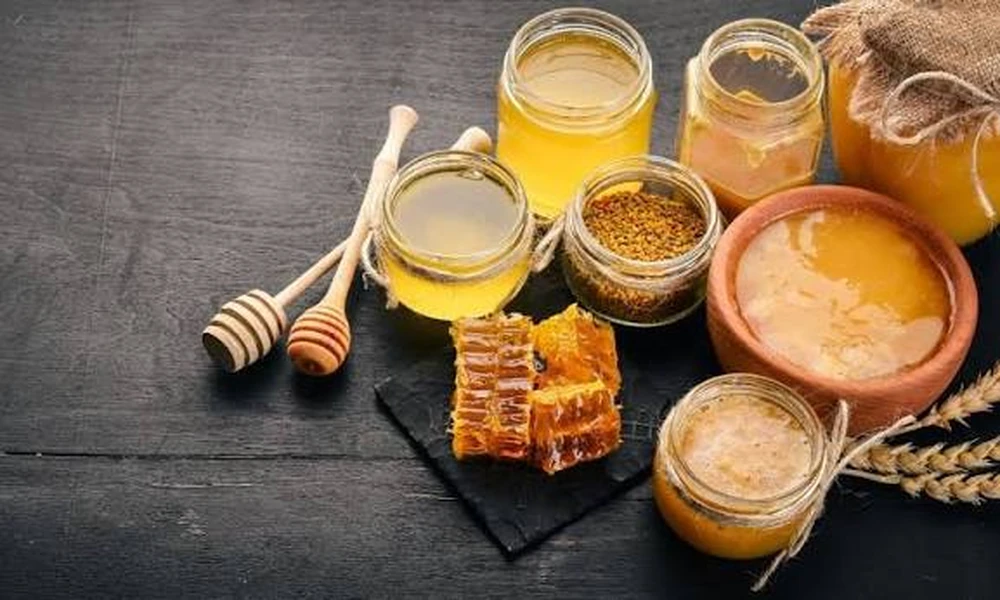
Two jars sit next to each other on the shelf. Same golden colour, similar labels, both with the same word printed large across the front. One costs nearly three times as much as the other. Turn them around, though, and the difference starts to make sense, usually in a line of small print near the bottom.
Most people reach for manuka honey because of the name. The name is the least informative thing on the jar. The rating, the sourcing and the storage instructions say far more about what you’re actually buying.
Monofloral and Why It’s on the Label
Some jars also say monofloral. It means the bees collected their nectar and pollen mostly or entirely from one plant, in this case manuka flowers, rather than from a mix of whatever was blooming nearby.
Multifloral honey isn’t worse honey; it’s just a different product. But if you’re paying for manuka honey specifically, monofloral sourcing is the detail that backs the name up. When a label pairs “100% monofloral” with a clear MGO rating and says where it was produced, you have most of what you need to judge the jar.
Four Lines Worth Finding
Before you buy, check the back of the jar for these:
- The MGO rating. A number with a plus sign, for example 300+. No number at all is worth noticing.
- Floral source. Monofloral or multifloral, ideally stated outright.
- Origin. Where it was harvested and packed.
- Warnings and storage. Who shouldn’t eat it, and how to keep it.
The Fridge Is the Wrong Place
It’s tempting to treat an expensive jar like something fragile and put it in the fridge. Most labels advise against it. Cold makes honey stiffen and crystallise, which is harmless but makes it hard to spoon out.
The usual guidance is a cool, dry cupboard below about 25°C, with the lid screwed on tightly. Honey draws moisture from the air, and a loose lid in a humid kitchen (Singapore’s kitchens included) lets it in. A dry spoon helps too; a wet one dipped back in does the same damage, only slower.
Who Should Skip the Spoon
Honey of any kind shouldn’t be given to babies under one year old, because of the risk of infant botulism. Expensive honey is no exception, and it’s printed on responsible labels for good reason.
Anyone allergic to honey or bee products should avoid it. People who are pregnant, breastfeeding or managing a medical condition are generally advised to check with a healthcare provider first, and people watching their sugar should remember that honey is still a sugar, however it’s rated.
Back at the shelf, the cheaper jar has no number on the back at all, just the word on the front, printed a little bigger. That gap in the label is the whole price difference, sitting in plain sight.